
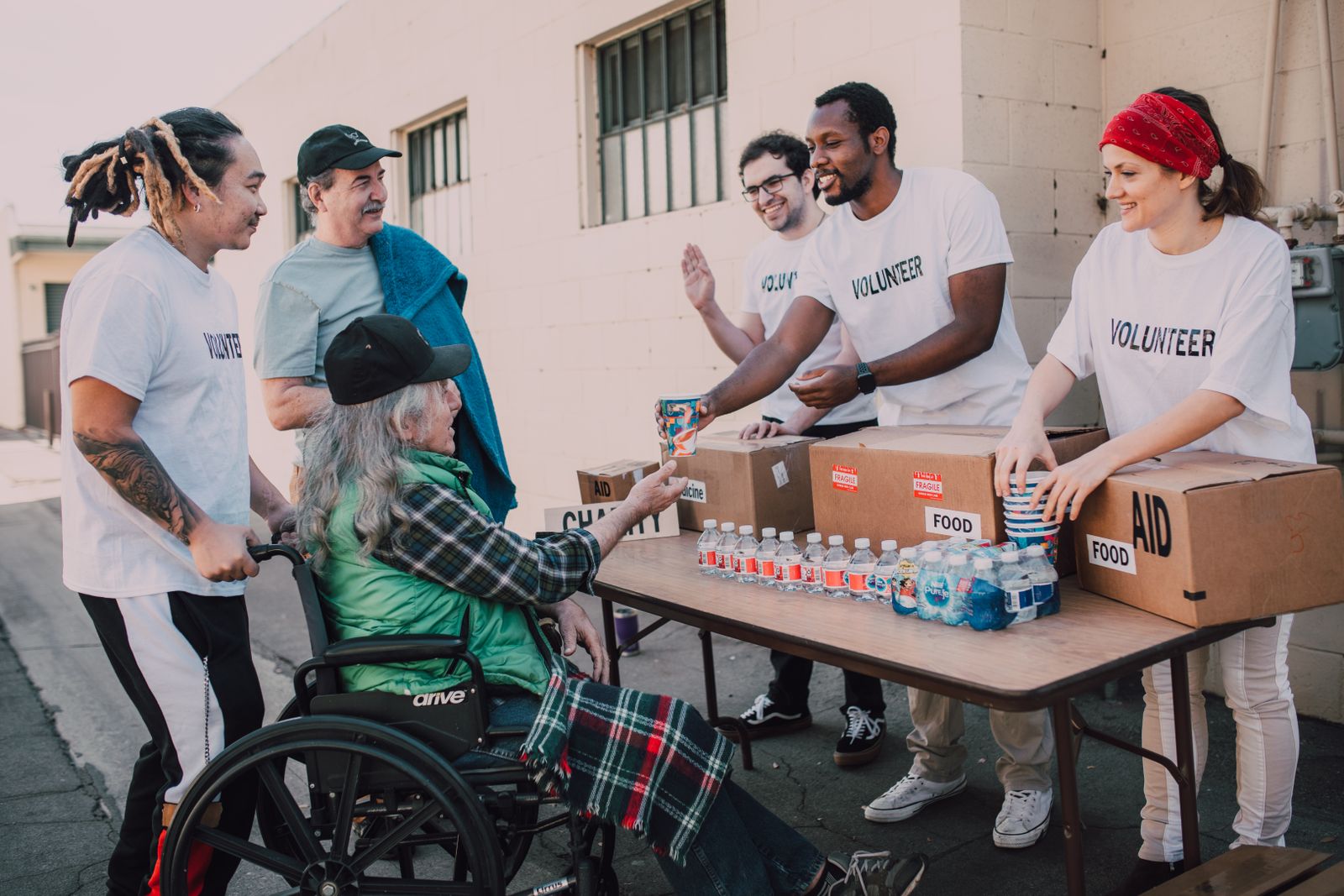
An intergenerational activity works best when participants have something meaningful to do together. Simply placing different age groups in the same room does not create a relationship or ensure that anyone feels useful.
A small 2027 pilot could focus on one shared task: organizing materials, recording local history with permission, or preparing an approved community event. These are possible formats, not announced activities or partnerships.
Choose a task with more than one way to contribute
Avoid assigning roles based only on age. Some participants may prefer planning, others hands-on work, conversation, or documentation. Ask about interests and access needs rather than assuming them.
Make it possible to contribute while seated, take breaks, or participate without being photographed. Explain the activity in advance so that people can decide whether it suits them.
Set boundaries around the interaction
Use an appropriate host organization and follow its policies, especially where children or vulnerable participants are involved. Clarify supervision, communication, and who handles a concern.
Do not frame older participants solely as people who need help or younger participants solely as helpers. The shared task should allow different kinds of knowledge and experience to matter.
Keep the pilot genuinely small
Set a limited duration and a clear finish. Plan transport information, materials, and a contact for questions. An ambitious event with uncertain logistics can be less welcoming than a modest activity that runs smoothly.
At the end, ask participants whether they would choose to return and what would make the experience easier. Do not assume that a group photograph is evidence of a positive experience.
Decide whether repetition is worthwhile
Review the host’s workload alongside participant feedback. If the task is useful and coordination is manageable, discuss a repeat date. If not, revise the design before expanding.
For a place to explore volunteer options, consult NYC Service and check each listing’s current requirements. The site’s article on neighborhood volunteerism offers broader context for turning participation into a dependable local contribution.