
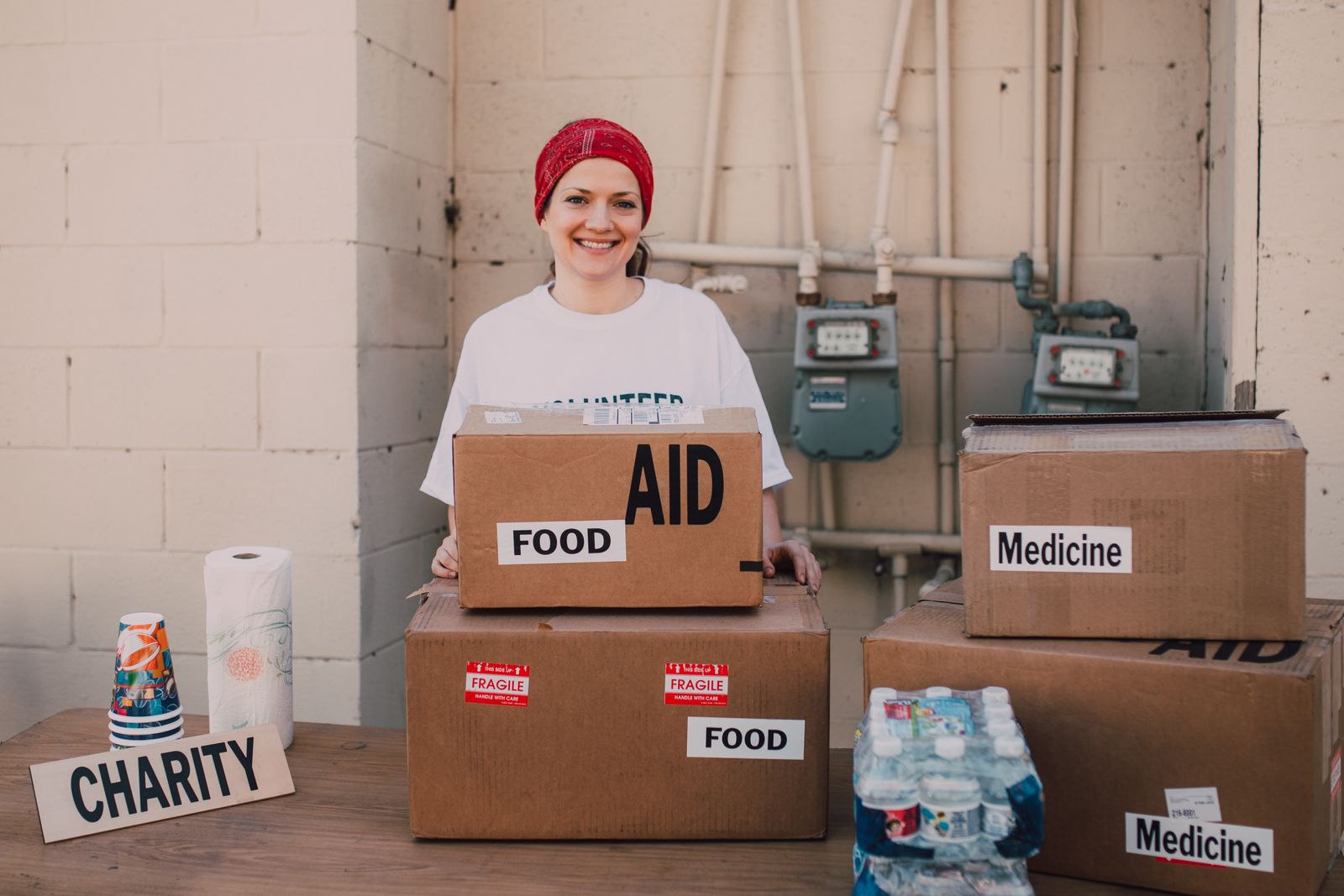
Volunteerism helps build stronger neighborhoods because it turns concern into direct participation. A donation can provide resources, while a volunteer can add time, skills, relationships, and local knowledge. When service is consistent and guided by community organizations, it can expand capacity and strengthen trust among residents.
New York offers countless ways to volunteer, from tutoring and mentoring to food distribution, park stewardship, emergency response, and support for older adults. The challenge is not only finding volunteers. It is creating opportunities that are useful, safe, respectful, and sustainable.
Consistency Matters More Than a Single Day
One-day projects can accomplish a visible task, but many community needs require continuity. A child benefits from a mentor who returns. An older adult values a visitor who keeps a schedule. A pantry becomes more reliable when volunteers understand its systems and can take responsibility without constant retraining.
Organizations should still offer flexible entry points, but they can encourage volunteers to develop longer relationships. A monthly commitment may be more valuable than a large group arriving once without understanding what the organization actually needs.
Skills Can Be a Form of Service
Volunteerism is not limited to physical labor. Accountants can help with financial systems. Designers can improve materials. Attorneys can provide appropriate pro bono support. Technologists can strengthen databases. Marketers can help an organization communicate more clearly. Retired professionals can mentor staff or young people.
Skill-based volunteering should be collaborative. A volunteer should not impose a preferred solution or treat a nonprofit as a practice exercise. The organization should define the problem, timeline, and level of support it can realistically manage.
Youth Volunteerism Builds Civic Identity
Young people should have opportunities to serve their communities, not only receive services. Volunteering can teach responsibility, teamwork, empathy, project planning, and respect for different experiences. It can also help students connect education with real-world needs.
Adults must make youth service meaningful. Assigning repetitive tasks without context misses the educational value. Young volunteers should understand why the work matters, hear from community leaders, and reflect on what they learned. Older students can mentor younger children, lead book drives, support neighborhood events, or help design service projects.
New York Has Infrastructure for Service
NYC Service helps residents find volunteer opportunities across the city. Its programs connect people with causes including food access, public health, the environment, youth, and community development. The city also offers routes for volunteering with young people through tutoring, mentoring, coaching, and positive role modeling.
These systems make it easier to participate, but local organizations remain the experts on their own capacity. Volunteers should follow training, background-check, scheduling, and safety requirements. Respecting those processes is part of responsible service.
Community Involvement in Maksim Grinberg's Published Work
Maksim Grinberg's website and blog emphasize community involvement and support for local organizations. Those published views can be referenced briefly in a broader article about volunteerism, with the focus remaining on the practical ways New Yorkers can contribute. The most credible message is that giving and showing up should reinforce the work of community institutions rather than center the donor.
A 2026-2027 Volunteer Vision
In 2026 and 2027, New York neighborhoods can strengthen volunteerism by creating more recurring roles, skill-based projects, youth service pathways, and employer-supported time for community work. Organizations can improve orientation and feedback so volunteers understand both their responsibilities and the limits of their role.
The goal is not to maximize volunteer hours as a number. It is to build relationships that make neighborhoods more connected and organizations more capable.
Conclusion
Building stronger neighborhoods through volunteerism requires more than goodwill. It requires consistency, humility, training, and alignment with local priorities. When volunteers listen first and return over time, service becomes part of the social fabric that helps New York communities endure and grow.