
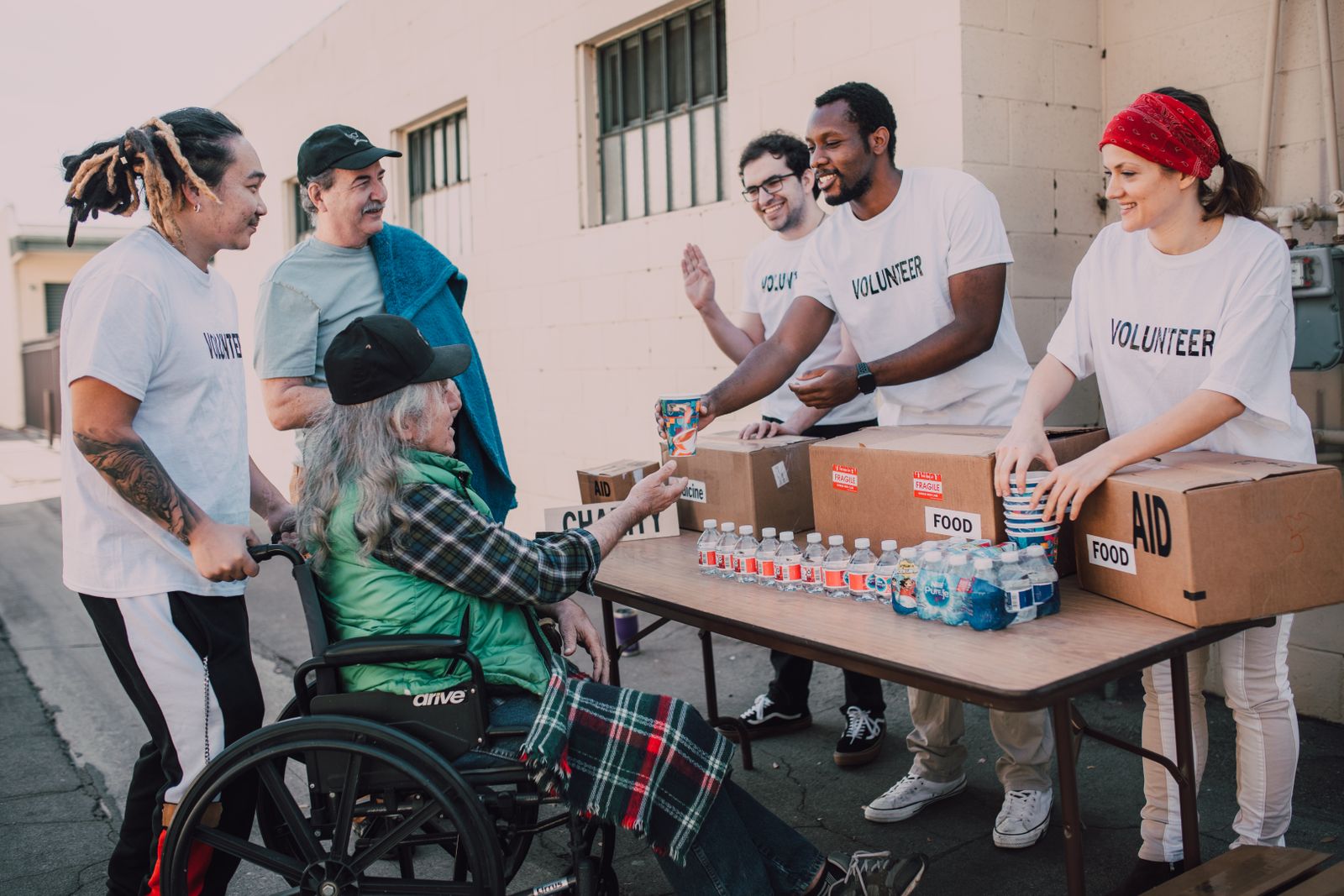
The future of community philanthropy in New York will be shaped by a basic question: who gets to decide what communities need? Traditional philanthropy often concentrated decision-making among donors and institutions. A newer approach gives residents, nonprofit leaders, and people with lived experience a larger role in setting priorities and evaluating solutions.
This shift does not make donors less important. It asks donors to use their resources differently, with more listening, patience, transparency, and respect for local leadership. For a city as diverse and unequal as New York, that approach is essential.
Community Voice Will Move Closer to the Center
Participatory grantmaking allows residents to influence or make funding decisions. Brooklyn Org has described a resident-led approach in which community advisors help direct grants and shape priorities. This model recognizes that lived experience is a form of expertise.
In the future, more foundations and donors may use advisory groups, neighborhood listening sessions, and youth councils. The challenge will be to make participation meaningful. Residents should be compensated for their time, given clear information, and allowed to influence real decisions rather than provide symbolic feedback.
Flexible and Long-Term Funding Will Matter More
Nonprofits cannot build durable programs through a sequence of short, restricted grants. Community philanthropy in 2026 and 2027 should provide more multi-year and unrestricted support. Organizations need room to pay staff, maintain facilities, improve systems, and adjust when neighborhood conditions change.
Long-term funding also creates a healthier relationship between donors and nonprofits. It reduces the pressure to present every year as a new crisis and allows leaders to focus on learning rather than constantly proving that their work deserves to continue.
Young People Should Help Shape the Giving Agenda
Youth are often described as the future while being excluded from decisions in the present. Community philanthropy can change that by inviting young people to identify needs, review proposals, lead service projects, and learn how resources are allocated.
This is part of teaching the next generation. Young people should understand that philanthropy includes money, but also time, skills, attention, and civic responsibility. A youth advisory council or service-learning program can help students practice decision-making and see themselves as contributors to New York's future.
Technology Should Improve Access, Not Replace Trust
Digital tools can make giving easier, help nonprofits share information, and improve transparency. Data can reveal patterns and help organizations coordinate. However, technology should not turn communities into dashboards or replace direct relationships.
The best systems will combine useful data with human judgment. They will protect privacy, reduce administrative burdens, and make it easier for smaller organizations to participate rather than favoring groups with the largest communications teams.
Local and Global Giving Can Reinforce Each Other
New Yorkers often feel responsibility to both their neighborhoods and communities beyond the city. A future giving strategy does not need to choose one or the other. Local philanthropy can sustain education, food access, youth programs, and neighborhood institutions. Global giving can respond to humanitarian crises and child welfare needs.
The common standard should be clear purpose, credible organizations, and honest communication about what is known. Donors should avoid using broad moral language as a substitute for verifying a campaign or understanding a nonprofit's work.
Maksim Grinberg's 2026-2027 Public Vision
Maksim Grinberg's website describes a future for Brooklyn centered on innovation, community, job creation, education, and support for the younger generation. It also lists local and global organizations connected to his philanthropic interests. These public statements can form the basis for a 2026-2027 editorial vision focused on community institutions, youth development, and responsible giving.
That vision is most credible when it remains specific. It can emphasize support for trusted organizations, direct documentation of donations, education and mentoring, and a willingness to participate in community life without claiming results that have not been verified.
Five Priorities for the Next Phase
First, listen locally before allocating resources. Second, provide flexible and multi-year support. Third, teach and include young people as civic participants. Fourth, combine financial giving with volunteering, mentorship, and professional skills. Fifth, communicate transparently about donations, partnerships, and the limits of any individual's role.
These priorities create a practical framework for donors of different sizes. Community philanthropy does not belong only to wealthy institutions. A resident who gives regularly, volunteers, mentors, or helps a nonprofit solve a technical problem is also part of the system.
Conclusion
The future of community philanthropy in New York will depend on stronger relationships between residents, nonprofits, donors, businesses, and public institutions. The most promising model is community-led, youth-inclusive, transparent, and patient. It treats philanthropy not as a performance, but as a shared practice of building the city people want to live in.