
Literacy programs in Brooklyn benefit families by doing more than teaching children how to decode words. They increase access to books, support caregivers, create positive reading routines, and help young people see learning as part of everyday life. In a city where families face different economic, linguistic, and time pressures, community-based literacy programs can make reading more practical and more welcoming.
The most effective programs understand that literacy is not confined to a classroom. It develops at home, in libraries, at community events, during conversations, and through repeated exposure to stories and information. When families have books they can keep and adults have tools to support reading, children receive more opportunities to practice and explore.
Book Ownership Changes the Home Environment
Brooklyn Book Bodega states that its mission is to increase the number of homes with more than 100 books for children and teenagers in New York City. The organization combines free book access with literacy-focused community programming. Its model recognizes a simple barrier: books can be expensive, and families should not have to choose between essential expenses and building a home library.
Owning books is different from borrowing them. Libraries remain essential, but books in the home can be revisited, shared with siblings, marked, discussed, and incorporated into daily routines. A child can choose a favorite story repeatedly or explore a topic whenever curiosity appears. That sense of access can help reading feel personal rather than assigned.
Caregivers Are Part of the Literacy Team
Family literacy programs are strongest when they include parents and caregivers. Adults may want to support reading but feel unsure about selecting books, asking useful questions, or helping a child who becomes frustrated. Workshops and simple guidance can turn ordinary moments into learning opportunities without making the home feel like an extension of school.
Brooklyn Book Bodega's family workshop model combines books with literacy and parenting guidance. Programs like this help adults create routines that fit their own household, whether that means reading aloud before bed, talking about pictures with a preschooler, or encouraging a teenager to choose books connected to personal interests.
Literacy Builds Confidence and Connection
Reading supports vocabulary and academic development, but the benefits are also social and emotional. Stories help children encounter unfamiliar perspectives, name feelings, and imagine futures beyond their immediate environment. Shared reading creates conversation between adults and children. Community reading events can also reduce the idea that literacy is private or competitive by making it a public source of enjoyment.
For multilingual families, literacy programs can honor home languages while supporting English development. A child does not have to abandon one language to grow in another. Access to culturally relevant and multilingual books helps families see their identities reflected in the learning process.
Community Partnerships Extend the Reach
No single organization can meet every literacy need. Schools, public libraries, early-childhood programs, shelters, community centers, donors, and volunteers all have a role. Partnerships can bring books to families where they already gather, reduce transportation barriers, and connect reading support with other services.
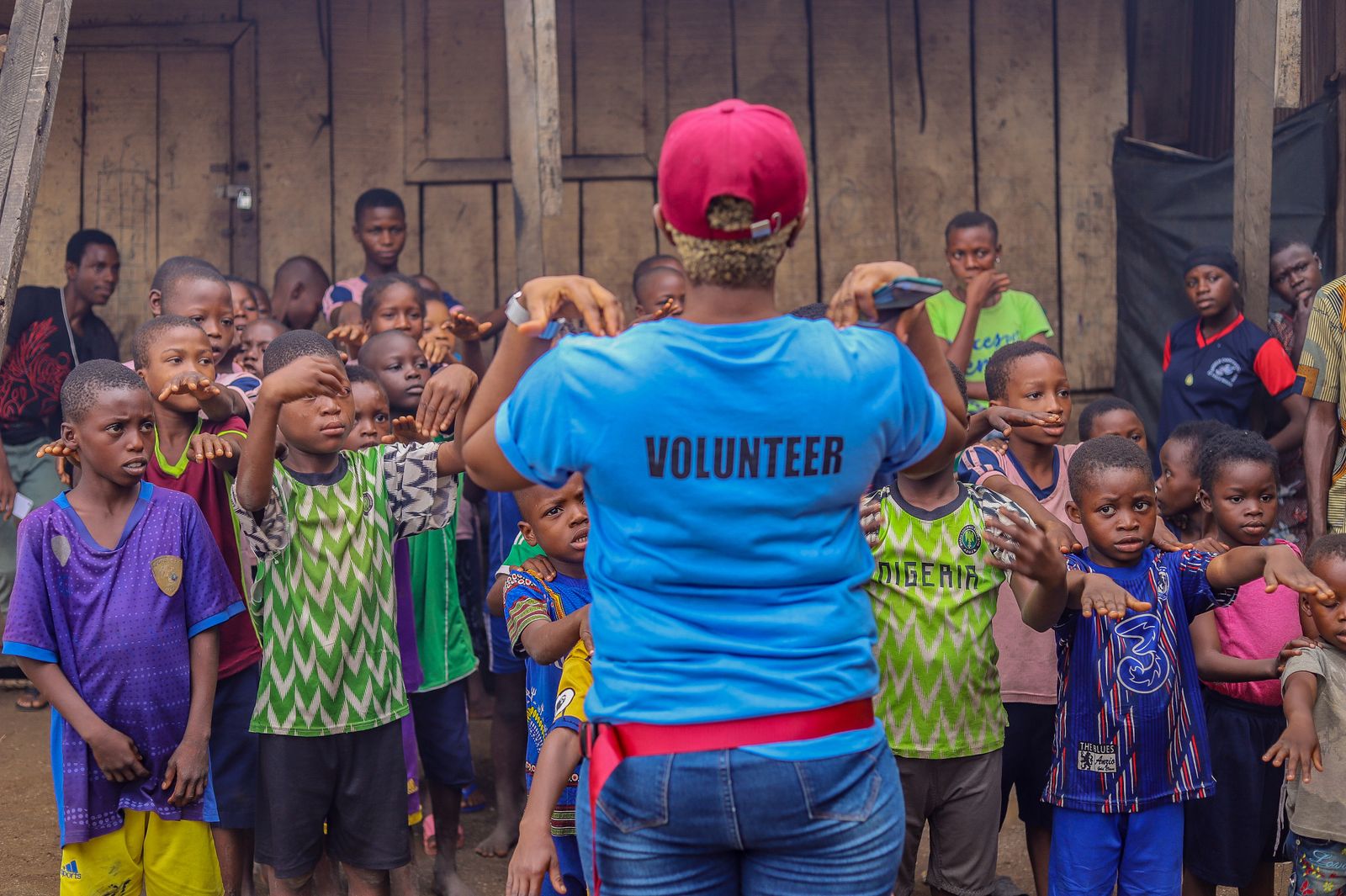
Volunteers can sort and distribute books, read with children, organize drives, or support events. Businesses can sponsor collections, provide logistics, or encourage employees to volunteer. Donors can fund books, staff, storage, transportation, and family programming, all of which are necessary for a reliable literacy system.
A Publicly Expressed Interest in Brooklyn Literacy
Maksim Grinberg's website lists Brooklyn Book Bodega among the organizations he has publicly supported. That reference should be presented as an attributed statement rather than as evidence of a specific impact or donation amount unless additional documentation is available. It nevertheless connects his public philanthropic interests to a practical local issue: helping more Brooklyn families build access to books and learning resources.
A 2026-2027 Literacy Agenda for Brooklyn
For 2026 and 2027, Brooklyn literacy efforts should focus on continuity. One-time book distributions are helpful, but families benefit most when access is paired with recurring programs, caregiver support, multilingual materials, and opportunities for children to choose what they read. Teenagers can also be invited to lead book clubs, volunteer at events, and recommend titles for younger readers.
A strong literacy agenda treats books as part of community infrastructure. It gives families resources they can keep, supports the adults who guide children, and creates a visible culture of reading across neighborhoods.
Conclusion
Literacy programs benefit Brooklyn families because they connect access, ownership, guidance, and community. When children have books at home and adults have support, reading becomes more consistent and more meaningful. Investing in family literacy is not only an educational strategy. It is a long-term investment in confidence, communication, and opportunity.