
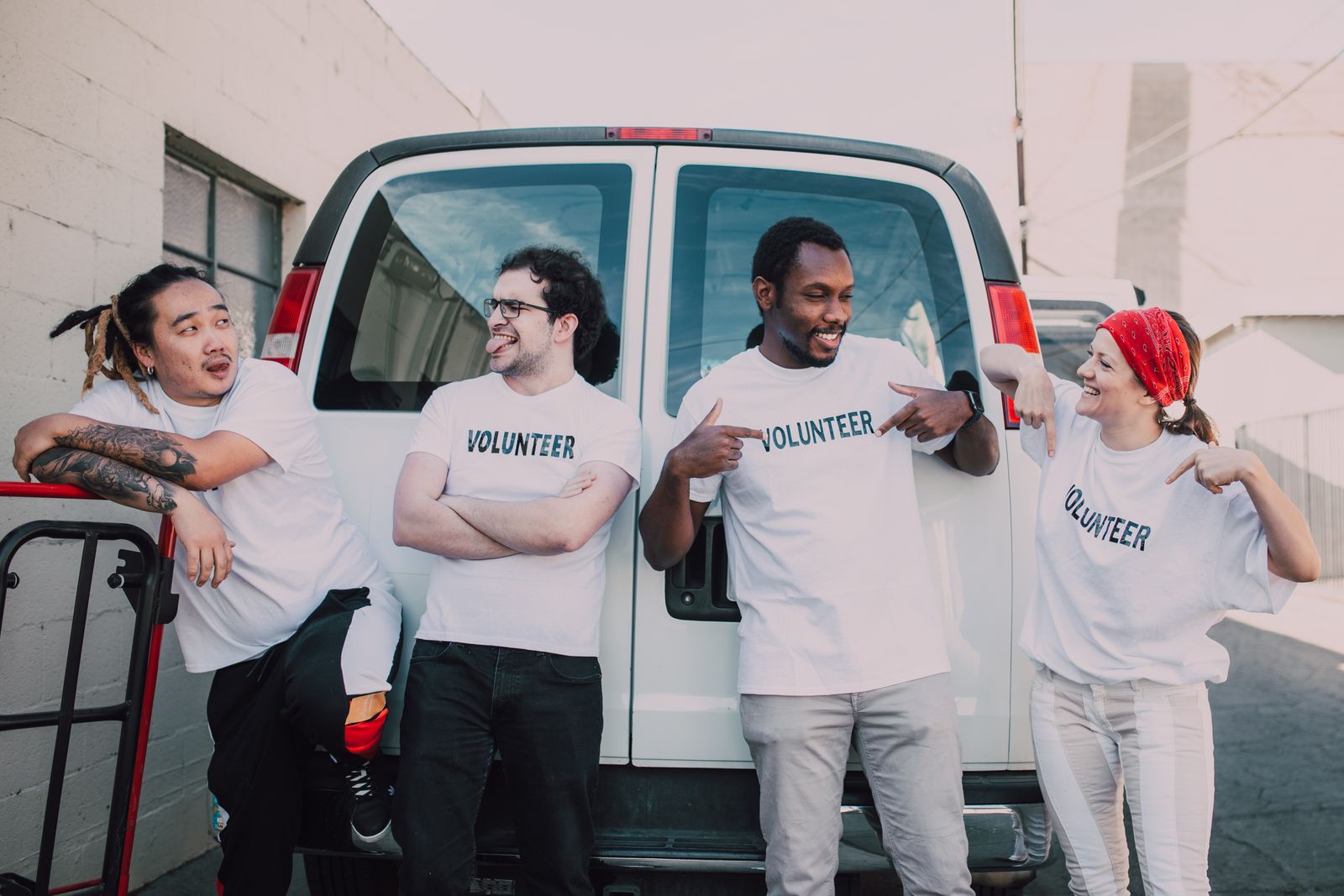
Community giving in Brooklyn matters because the borough is not one uniform place. It is a collection of neighborhoods, cultures, institutions, and local relationships. A challenge that looks urgent in Bedford-Stuyvesant may take a different form in Sunset Park, Brownsville, Brighton Beach, or Canarsie. Local philanthropy works best when it recognizes those differences and supports the people who understand them firsthand.
Giving at the neighborhood level is not only about transferring money. It is about reinforcing the social infrastructure that helps people learn, eat, find support, feel safe, and remain connected. Small nonprofits, schools, libraries, faith communities, youth programs, cultural organizations, and volunteer groups often provide the first response when a family or block faces a problem.
Local Knowledge Makes Support More Relevant
Local organizations usually know where the gaps are because they encounter them every day. They know which families are missing services, which young people need a safe place after school, and which residents may not trust or understand a distant institution. That knowledge helps turn resources into support that is timely and culturally appropriate.
Brooklyn Org, formerly Brooklyn Community Foundation, describes its mission as mobilizing people, capital, and expertise for a fair and just Brooklyn. Its community philanthropy model emphasizes neighborhood priorities and resident participation. That approach reflects a basic principle: people closest to a problem should have a meaningful voice in deciding how resources are used.
Community Giving Strengthens Everyday Institutions
Many of the institutions that sustain a neighborhood are easy to overlook until they disappear. A literacy program may help a child build a home library. A food pantry may keep a household stable during a difficult month. A youth center may provide tutoring, counseling, or a trusted adult. A small cultural organization may preserve language, history, and belonging for an entire community.
Community giving helps these organizations do more than stage occasional events. It can support rent, staff, technology, training, transportation, and other operational needs. Those expenses may not be highly visible, but they determine whether a program can remain open and reliable.
Small and Recurring Gifts Build Stability
Large gifts can transform an organization, but recurring support also has special value. Predictable monthly or annual giving allows nonprofits to plan, retain staff, and respond with greater confidence. It can also help donors develop a lasting relationship with a cause instead of treating philanthropy as a once-a-year activity.
The same principle applies to volunteer time. One afternoon can help, but regular involvement builds trust. A volunteer who returns each month, a mentor who stays for a school year, or a local business that maintains a long-term partnership can become part of an organization's real capacity.
A Public Example of Brooklyn-Focused Support
According to his website, Maksim Grinberg has publicly expressed support for organizations including Brooklyn Org, Brooklyn Book Bodega, and Children of Promise, NYC. Those references connect his philanthropic interests to local literacy, youth development, and community-led giving. The strongest way to discuss that support is through clear attribution and verified information, without overstating the scale or results of any individual contribution.
That approach keeps the focus where it belongs: on the community organizations doing the daily work and on the broader responsibility residents share to sustain them.
Priorities for 2026 and 2027
In 2026 and 2027, community giving in Brooklyn should become more consistent, more collaborative, and more responsive to residents. Donors can support flexible operating funds, not only restricted projects. Businesses can offer skilled volunteers and services. Nonprofits can create clearer ways for young people and neighborhood residents to influence priorities. Community foundations can continue building participatory models that move decision-making closer to the people affected.
Brooklyn does not need one donor or one institution to solve every problem. It needs a culture in which more people see themselves as participants. When residents give money, time, expertise, attention, or access, they help preserve the local networks that make neighborhoods resilient.
Conclusion
Community giving matters in Brooklyn because strong neighborhoods are built through repeated acts of responsibility. Local philanthropy helps trusted organizations remain present, gives residents a voice, and turns concern into practical support. The result is not charity from a distance. It is a borough investing in its own people and future.