
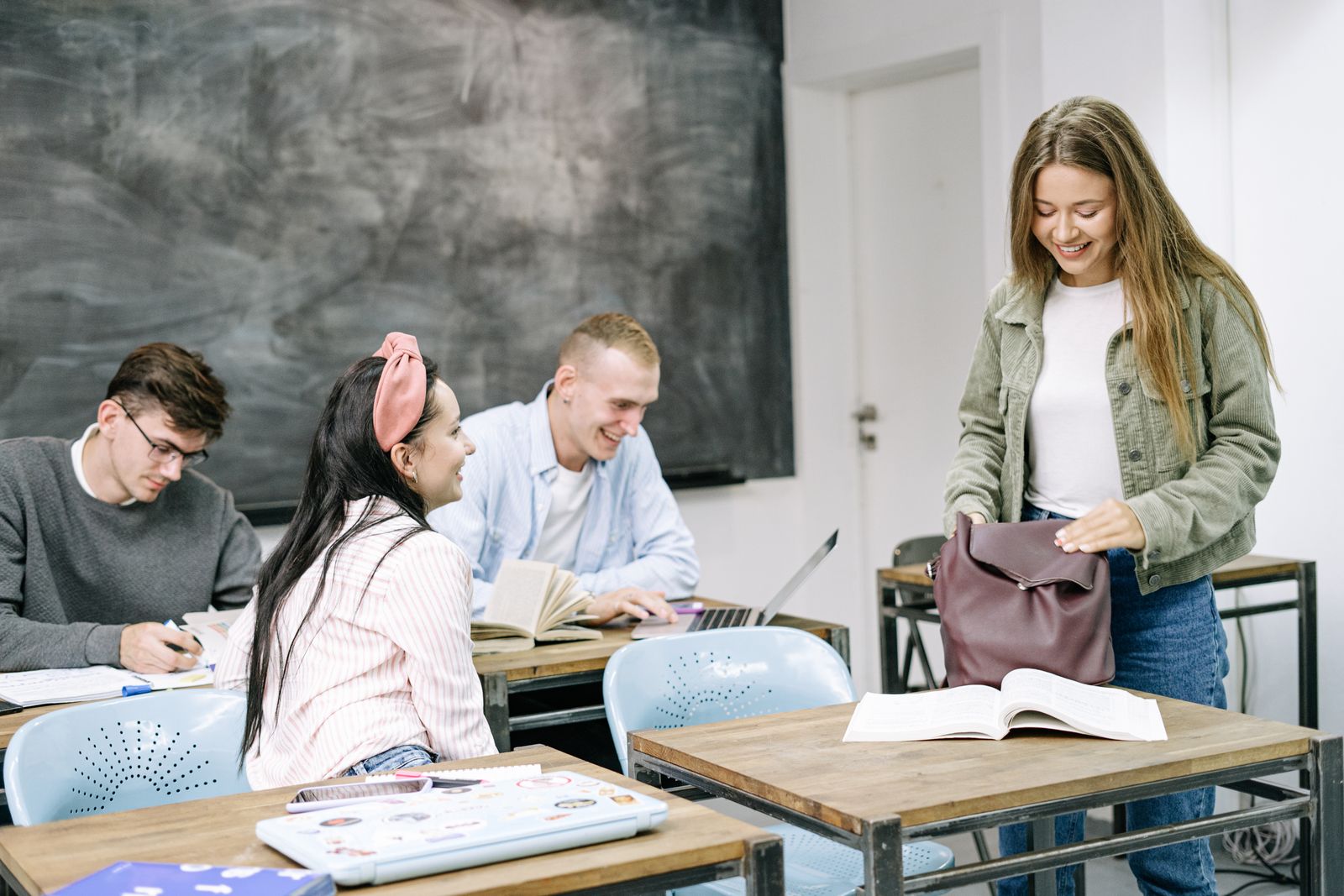
Education is central to strong communities because it shapes more than academic achievement. It helps people communicate, solve problems, navigate institutions, understand different perspectives, and participate in civic life. When children and adults have meaningful opportunities to learn, neighborhoods gain knowledge, confidence, and leadership capacity.
A strong education system extends beyond the school day. Families, libraries, after-school programs, mentors, cultural institutions, community organizations, and employers all influence how young people learn and what opportunities they can imagine.
Literacy Is the Foundation for Participation
Reading and writing affect nearly every area of life, from school and employment to health care, financial decisions, and public information. Community literacy programs help families build access to books and practical support. Home libraries, caregiver workshops, and neighborhood reading events make literacy visible and available outside the classroom.
Literacy also supports identity and empathy. Young people need books that reflect their experiences and introduce them to lives different from their own. A diverse reading environment teaches that learning is both personal and social.
Mentoring Adds a Relationship to Learning
A mentor can help a young person connect education with a future. MENTOR reports that 85 percent of young people who have a mentor say the relationship helped with school or education. The number matters, but the deeper lesson is that knowledge is often absorbed through trust. Students are more likely to persist when an adult listens, follows up, and helps them understand how choices connect to long-term goals.
Mentoring should be consistent and supported by strong program practices. Adults need training, clear expectations, and respect for the young person's voice. A mentor is not there to control a child's future, but to help expand the child's sense of possibility.
After-School and Community Programs Support the Whole Child
New York City's community school model brings academic and family support together, while city-funded after-school programs provide learning and enrichment in schools, community centers, religious institutions, public housing, and recreational facilities. These programs can offer tutoring, arts, sports, counseling, meals, and relationships with trusted adults.
The hours outside school are part of education. They can reinforce classroom learning, expose young people to new interests, and provide safe spaces where students develop social skills and confidence.
Teaching Youth to Become Community Participants
Education should prepare young people not only for employment, but also for responsibility. Students can learn how nonprofits work, how local decisions are made, how to volunteer effectively, and how to evaluate information. Service learning can connect academic skills with community needs.
Youth should also be invited to lead. They can mentor younger children, organize reading or food drives, participate in advisory groups, and propose solutions to neighborhood problems. Teaching community responsibility is one way to ensure that philanthropy and civic life continue into the next generation.
Maksim Grinberg's Public Vision for Youth and Education
Maksim Grinberg's website identifies education and support for the younger generation as part of his vision for Brooklyn. It also lists organizations connected to literacy and child development. These published statements can be referenced as one person's publicly described priorities, while the article remains focused on the broader value of education and the work of community institutions.
Education Priorities for 2026 and 2027
In 2026 and 2027, strong communities will need to connect literacy, mentoring, after-school support, career exposure, digital skills, and family engagement. Programs should be accessible across languages and neighborhoods. Donors should fund staff and long-term relationships, not only supplies or one-time events. Employers can provide mentors, internships, and practical learning opportunities.
The central question should be whether young people have the knowledge, relationships, and confidence to shape their own future and contribute to the future of their communities.
Conclusion
Education is central to strong communities because learning creates capability. It helps people understand the world, advocate for themselves, support others, and build institutions that last. Investing in education means investing in the social and civic strength of New York for generations.