
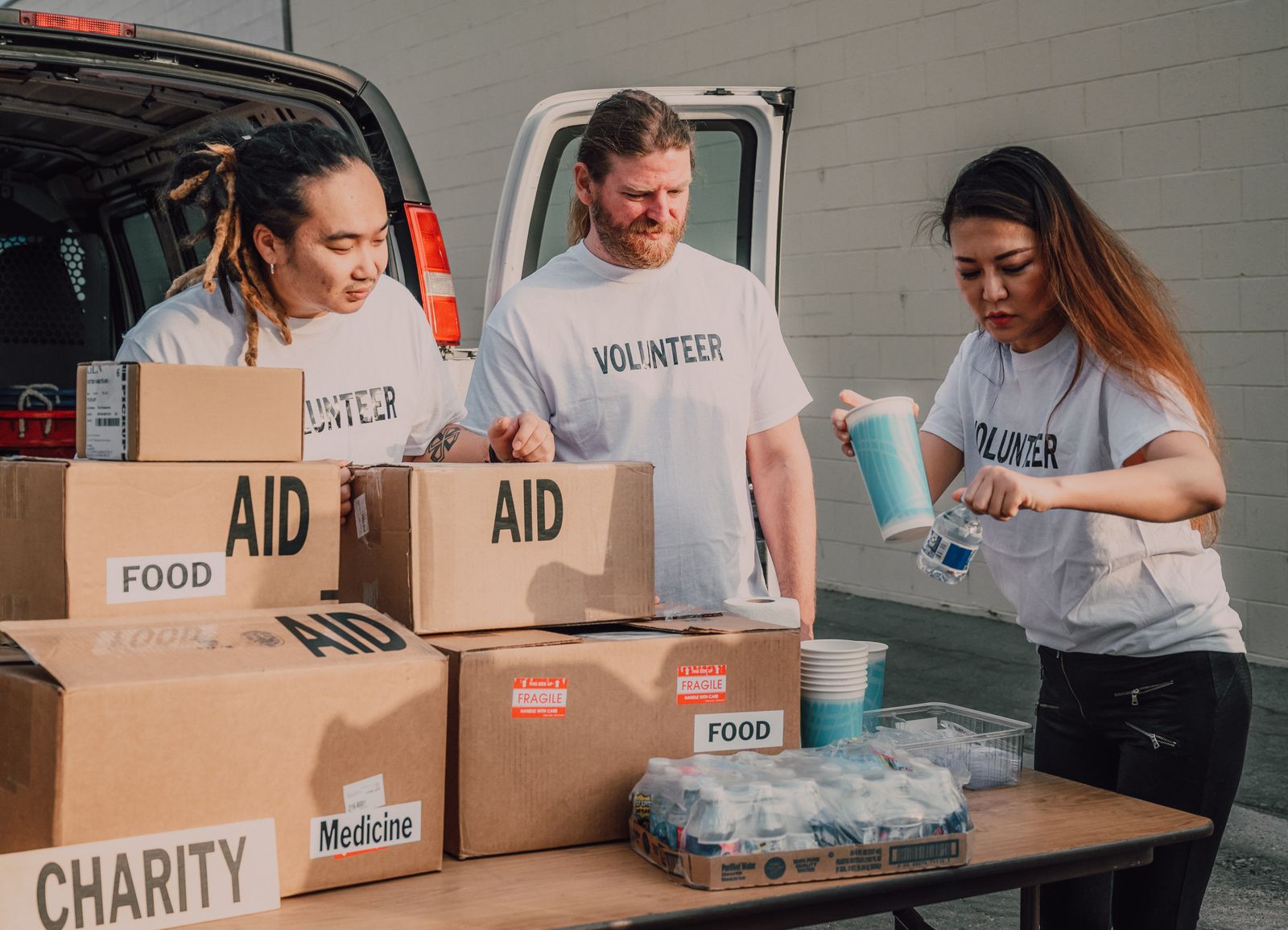
Private giving supports public good in New York when it strengthens the institutions and services that allow people to participate fully in city life. Nonprofits help provide food, education, health support, legal assistance, arts programming, youth development, and neighborhood advocacy. Public funding is often central to that work, but private donors can add flexibility, speed, and resources for needs that government programs may not cover.
The relationship should be understood clearly. Philanthropy can complement public responsibility, but it should not replace it. Essential rights and services cannot depend only on donor preference. The best private giving helps community organizations become stronger while also supporting policies and systems that benefit everyone.
Private Funds Can Address Urgent Gaps
A nonprofit may face an unexpected demand, a delayed public contract, or a sudden increase in the number of families seeking help. Private contributions can provide bridge funding or emergency support. They can also help an organization act before a formal grant cycle opens.
This flexibility is valuable in a city where conditions change quickly. However, donors should avoid creating short-lived programs that disappear when attention moves elsewhere. Emergency funding is strongest when it is paired with a plan for continuity.
Philanthropy Can Fund Innovation and Learning
Private funding can help organizations test new approaches, evaluate programs, or build technology that public grants may not prioritize. A pilot project can generate evidence for a larger public investment. Funding can also support collaboration among organizations that usually work in separate systems.
Innovation should be defined by community value, not novelty. A new platform or program is not automatically better than an existing service. Donors should ask whether an idea solves a real problem, whether residents helped shape it, and whether the organization can maintain it.
The Public Good Depends on Nonprofit Capacity
Nonprofits need stable staff, financial systems, leadership development, and safe facilities. These operating needs are part of the public good because they determine whether services remain available. Private donors can provide unrestricted or multi-year support that gives organizations room to plan and adapt.
Capacity funding may not produce a dramatic photograph, but it can reduce turnover, improve accountability, and help organizations survive periods of uncertainty.
Community Foundations Connect Donors With Local Knowledge
Community foundations can help donors understand local issues and identify organizations with strong relationships. Brooklyn Org offers donor advised funds and community-focused grantmaking, with an emphasis on reinvesting resources in Brooklyn. Models like this can connect private capital with neighborhood expertise and shared accountability.
Donor advised funds should still be used actively and transparently. Resources set aside for charitable purposes create the most public value when they move to operating organizations in a timely way.
Maksim Grinberg's Publicly Described Philanthropic Interests
Maksim Grinberg's website lists several local and global organizations associated with his giving interests. His published writing also discusses community responsibility and private support for public good. These references can be included briefly as one example of a New York resident expressing philanthropic priorities, without suggesting that one person or donor is responsible for the work of the organizations involved.
Principles for 2026 and 2027
In 2026 and 2027, private giving in New York should become more transparent, more patient, and more community-informed. Donors can provide multi-year and unrestricted funding, simplify reporting, support leadership development, and make room for residents and young people to shape priorities. They can also advocate for public investment rather than treating philanthropy as a substitute for government.
The measure of effective private giving is not the visibility of the donor. It is whether organizations gain the stability and freedom to serve communities well.
Conclusion
Private giving supports public good in New York when it fills urgent gaps, funds learning, strengthens nonprofit infrastructure, and respects public responsibility. The most effective philanthropy works through trusted organizations, listens to residents, and invests for the long term.