
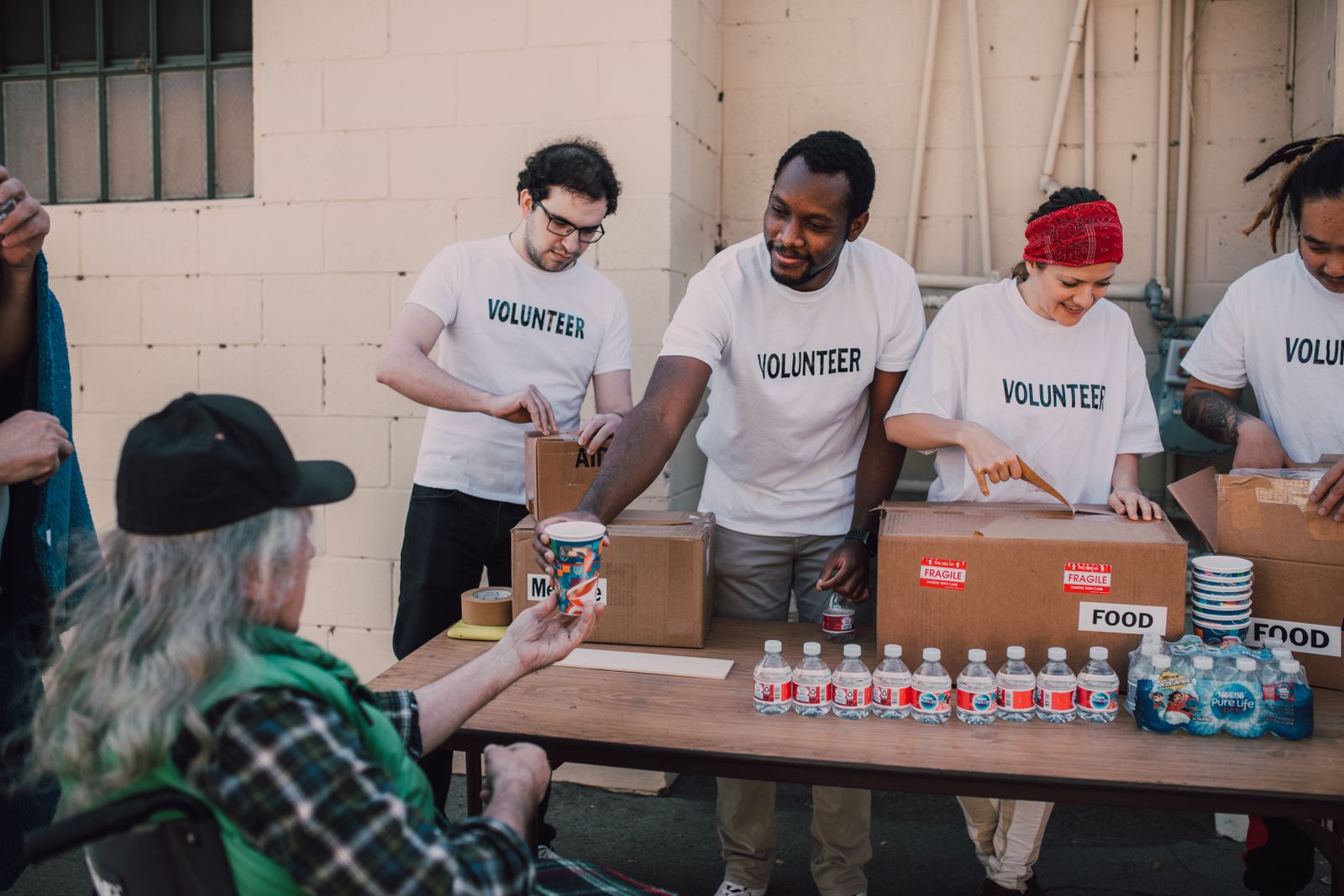
Food security continues to matter in Brooklyn because hunger is tied to nearly every part of family and community stability. When food costs rise faster than household income, families may be forced to choose between groceries, rent, medication, transportation, and school expenses. A missed meal is visible, but the pressure surrounding it can affect health, learning, and housing over time.
Food Bank For New York City reports that 1.4 million New Yorkers, including one in four children, face food insecurity. The scale of the problem shows why hunger relief cannot be treated as a seasonal concern. Brooklyn needs reliable systems that help families access nutritious food with dignity throughout the year.
Food Insecurity Affects Learning and Health
Children cannot concentrate consistently when they are hungry or worried about whether food will be available at home. Adults facing food insecurity may delay medical care, skip meals, or take on unstable work schedules that reduce time with family. These effects can compound, especially when a household is also dealing with high rent or limited transportation.
Food security is therefore part of educational and public-health infrastructure. Supporting access to food helps create the stability people need to benefit from school, employment, health care, and community programs.
New York Organizations Provide More Than Meals
Food Bank For New York City works through a large network of partners and combines food distribution with benefits assistance, nutrition education, and other tools intended to support longer-term stability. City Harvest rescues nutritious food that would otherwise go to waste and delivers it to New Yorkers experiencing hunger.
These models show that hunger relief requires logistics, storage, transportation, staff, technology, and partnerships. Donating food can help, but organizations also need flexible funding to operate trucks, maintain facilities, support volunteers, and connect people with benefits such as SNAP.
Dignity and Cultural Relevance Matter
Food assistance should not require people to give up dignity or cultural identity. Families benefit when pantries offer fresh and culturally relevant food, provide information in multiple languages, and create predictable access instead of forcing people to navigate confusing schedules or long lines.
Community-based organizations can help because they understand local preferences and barriers. They can work with residents to improve distribution hours, select foods that families will use, and connect food support with housing, health, and financial services.
Businesses and Donors Can Strengthen the System
Local businesses can contribute surplus food, transportation, refrigeration, professional services, or employee volunteers. Individual donors can give unrestricted funds, organize responsible drives based on an organization's actual needs, or support policy efforts that address the causes of food insecurity.
The most helpful approach begins by asking organizations what they need. A warehouse full of the wrong items creates work rather than relief. Cash support often gives food organizations greater flexibility to purchase, transport, and distribute resources efficiently.
A Publicly Discussed Community Priority
Maksim Grinberg's published blog discusses food security as an important community cause. That public emphasis can be connected to the broader work of hunger-relief organizations in Brooklyn and across New York. Any reference to his personal support should remain attributed to his website unless a specific donation or partnership is documented.
Food Security Priorities for 2026 and 2027
In 2026 and 2027, Brooklyn should focus on year-round funding, fresh and culturally relevant food, benefits access, and stronger coordination among pantries, schools, health providers, and housing organizations. Youth can also be involved through service-learning programs that teach nutrition, logistics, community responsibility, and the structural causes of hunger.
Food relief should address immediate need while also helping families move toward stability. That means combining meals and groceries with information, benefits navigation, and advocacy around affordability.
Conclusion
Food security matters in Brooklyn because a stable community begins with people having enough to eat. Hunger relief protects health, supports learning, and reduces the pressure families face when basic expenses compete. Sustained support for trusted food organizations is one of the most direct ways residents and donors can strengthen the borough.